HIV/AIDS as a factor in Human Insecurity
Abstract: The HIV/AIDS pandemic is ripping away at our social, economic, political and personal security, greatly affecting not only our individual ‘human security’, but also the socio-political stability of countries, as the disease eats away our skills bases, our social networks, our national incomes, and our political stability. The HIV/AIDS pandemic is the first health issue not only to pose great human security risks, but also national security risks. It adversely affects all dimensions of human security, namely economic security, food security, personal security, community security, political security, and health security.
15 April 2010

Introduction
In January 2000, the United Nations’ (UN) Security Council debated the impact of AIDS on peace and security in Africa, and it was the first debate in the Council’s history that discussed a health issue as a threat to peace and security, at which debate the then UN secretary-general Kofi Annan told the Council: ‘The impact of AIDS in Africa was no less destructive than that of warfare itself. By overwhelming the continent’s health and social services, by creating millions of orphans, and by decimating health workers and teachers, AIDS is causing social and economic crises which in turn threaten political stability… In already unstable societies, this cocktail of disasters is a sure recipe for more conflict. And conflict, in turn, provides fertile ground for further infections’ (2000 UN press release, in Fourie & Schönteich. 2002:2). “HIV/AIDS is, cause and effect, initiator and beneficiary, of instability and conflict” (UNAIDS.2003:1).
HIV/AIDS has become such a serious issue that the disease is specifically addressed in The Millennium Development Goals, where Goal 6 aims to Combat HIV/AIDS, malaria and other diseases and the Target in this regard is to have halted and begun to reverse the spread of HIV/AIDS by 2015, specifically: the reduced HIV prevalence among 15-24 year old pregnant women ; the increased Condom use rate of the contraceptive prevalence rate; and to have reduced the number of children orphaned by HIV/AIDS (Millennium Development Goals).
HIV/AIDS has become such a serious issue that the disease is specifically addressed in The Millennium Development Goals, where Goal 6 aims to Combat HIV/AIDS, malaria and other diseases and the Target in this regard is to have halted and begun to reverse the spread of HIV/AIDS by 2015, specifically: the reduced HIV prevalence among 15-24 year old pregnant women ; the increased Condom use rate of the contraceptive prevalence rate; and to have reduced the number of children orphaned by HIV/AIDS (Millennium Development Goals).
The HIV/AIDS pandemic is posing an ever-increasing threat to human security. The relationship between health and human security and health, and development is discussed, specifically the health problems that may affect human security and the need for governments to securitize health. The impact of the HIV/AIDS pandemic on the different dimensions of human security as categorized by the 1994 UNDP Human Development Report are discussed separately. The impact of HIV/AIDS on the agricultural sector of highly affected countries, specifically Sub-Saharan Africa is discussed, with specific mention of the impact of HIV/AIDS on agricultural extension service organizations. The socio-economic consequences of HIV/AIDS with regards to Aids-related orphan crime and the possible emergence of AIDS-related national crises in Africa are explored. The prevalence of HIV/AIDS in South-Africa and its policy and human rights framework responses are looked at. HIV/AIDS among women and the gender bias they consequently face are mentioned. HIV/AIDS as a key concern of Human Rights is discussed.

The relationship between Health, Human Security and Development
The 1994 UNDP Human Development Report introduced a new concept of human security, which equates security with people rather than territories, with development rather than weapons. (UNAIDS.2003:1) Furthermore, the basic thrust of the 2003 report of the Commission on Human Security is human- centred, and while the concept of human security is not antagonistic towards the security of nation-states, it focuses on an individual in all of his/her human dimensions, beyond political boundaries (Chen. 2004:58). Human Security, furthermore, compliments and reinforces the twin concepts of human rights and human development (Chen. 2004:58). The commission adopted the following definition of human security, namely “any threat that challenged the security of an individual or people or population (Chen. 2004:58).
Threats include war and conflict, and poverty and impoverishment and are highly interactive (Chen. 2004:59). Good health is “intrinsic” to human security, since human survival and good health are the core of “security” and since good health enables the full range of human functioning and permits human choice, freedom, and development (Chen. 2004:59). Although Human Security and Health are linked, they are not synonymous. While human security consisting of human survival, livelihoods, and dignity, is the vital core of human security, poor health consisting of illness, injury, disability, and death, are critical threats to human security (Chen. 2004:59). Furthermore, the linkage between health and development is clear in the statement made by the Commission that the attainment of health is not possible without peace and equitable development (Chen. 2004:60).
Threats include war and conflict, and poverty and impoverishment and are highly interactive (Chen. 2004:59). Good health is “intrinsic” to human security, since human survival and good health are the core of “security” and since good health enables the full range of human functioning and permits human choice, freedom, and development (Chen. 2004:59). Although Human Security and Health are linked, they are not synonymous. While human security consisting of human survival, livelihoods, and dignity, is the vital core of human security, poor health consisting of illness, injury, disability, and death, are critical threats to human security (Chen. 2004:59). Furthermore, the linkage between health and development is clear in the statement made by the Commission that the attainment of health is not possible without peace and equitable development (Chen. 2004:60).
The most relevant clusters of health problems that threaten human security are: health crises during conflict and humanitarian emergencies; infectious diseases; and health problems due to poverty and inequity (Chen. 2004:59). These cluster of health problems are the most relevant to human security, since they meet the criteria of: 1. scale, in the sense that health problems affecting large numbers of people are considered higher priority; 2. urgency, referring to health problems that create emergencies such as an epidemic or war; 3. intensity, referring to the socio-economic impact of diseases; and 4. Externalities, referring to events that generate “spillover effects” onto other problems, such transmitted infectious diseases like HIV/AIDS (Chen. 2004:59-60). The commission established these criteria for prioritizing which health problems are linked to security as to avoid confusion as many considered health as too broad or vague (Chen. 2004:60).
Another issue of great importance, which was deliberated by the Commission, was the issue of “securitization” of health, which implies a higher political and budgetary prioritization of health in the state sector, as opposed to exclusive high defense and military prioritization to ensure state security (Chen. 2004:61). Many countries, specifically poorer developing countries do not rank health as a high priority in their budget spending to ensure human security, therefore one of the political purposes for labeling health a human security issue is to encourage governments to ensure adequate public expenditures for primary health care (Chen. 2004:61).
The question remains which health problems should be prioritized and therefore “securitized” by national governments. Chen believes there are three tiers of health problems that face increasing difficulty in political acceptance, namely: 1. health processes so tightly linked to military security that they are easily accepted by the security community, such as epidemics, the health of soldiers, the induction of illness among combatants and biological warfare and bioterrorism; 2. Health processes that are increasingly accepted as security threats, such as infectious disease epidemics, like HIV/AIDS of which the scale and intensity of devastation are so vast that it not only poses national threats to different governments but a global health security threat; and 3. Health conditions deserving of human security and prioritization, but which encounters the greatest resistance of acceptance as security threats, namely the set of health problems confronting the world’s poorest people, which includes preventable lethal childhood infections, preventable childhood malnutrition, preventable hazards to childbirth that kill many women, Tuberculosis and Malaria (Chen. 2004:61-62).
Health problems among the poor must be seen as a huge human security failure, and not just a moral/humanitarian or development failure (Chen. 2004:62-63). Interdependence among different insecurities such as health, education, war, and poverty, exists and these dimensions of deprivation are the greatest human security threat. Therefore, health and development should constitute a central goal of human security (Chen. 2004:63).
Health problems among the poor must be seen as a huge human security failure, and not just a moral/humanitarian or development failure (Chen. 2004:62-63). Interdependence among different insecurities such as health, education, war, and poverty, exists and these dimensions of deprivation are the greatest human security threat. Therefore, health and development should constitute a central goal of human security (Chen. 2004:63).

The impact of HIV/AIDS on the different dimensions of Human Security
The impact of HIV/AIDS on Human Security globally is vast. The UNDP in its 1994 Human Development Report pioneered the concept of Human Security as a people-centric account of security that revolves around the needs of the individual rather than around the protection of states (Elbe. 2006:203). The Report categorized Human Security into six dimensions, namely Economic Security, Food Security, Personal Security, Community Security, Political Security and Health Security (Elbe. 2006:207-210).
Economic security can be defined as an assured basic income from productive and remunerative work or from a publicly financed safety net. Economic security is one of the most important components of human security affected by HIV/AIDS in the sense that the illness has a negative economic impact on all three levels, namely the individual, the family as well the national income or GDP (Elbe. 2006:207). In countries with an HIV prevalence rate of more than 20 percent, GDP can shrink annually by 1-2 percent and these countries can by estimation lose 20 percent of their GDP by 2020 (UN Security Council Report (2002), in Fourie & Schönteich. 2002: 4). The reasons for the decline in macro-economic output is the fact that the disease affects not only the very young and the old, but also the economically productive segments of the population including economic elites, such as doctors and lawyers (Elbe. 2006:207).
Economists have identified several major areas of macro-economic vulnerability, which include: effects on the labor supply and productivity, remuneration cost increases, demand changes among households, higher government expenditure, as well as instances of severe risk exposure in key sectors of the economy (Fourie & Schönteich. 2002: 8). Direct and Indirect costs to businesses due to the incidence of HIV/AIDS among employees, include: higher contributions to employees’ pensions, as well as life, disability and medical benefits schemes; costs resulting from absenteeism and additional recruitment; and costs to train new personnel to replace sick or deceased personnel (Elbe. 2006:207). The economic impact for ordinary people at the household level outweighs the macro-economic impact by far. Households experience a twofold impact of a reduced earning capacity as well as a decrease in productivity, as persons are unable to work or are tied down to take care of affected family members (Elbe. 2006:207). Affected household furthermore carries the burden of funeral expenditures, legal costs and medical bills (Elbe. 2006:207). It’s often the absence of economic security that propels people into sex work for a living, and many end up in prison where they face a higher risk of infection (Fourie & Schönteich. 2002: 4).
Economists have identified several major areas of macro-economic vulnerability, which include: effects on the labor supply and productivity, remuneration cost increases, demand changes among households, higher government expenditure, as well as instances of severe risk exposure in key sectors of the economy (Fourie & Schönteich. 2002: 8). Direct and Indirect costs to businesses due to the incidence of HIV/AIDS among employees, include: higher contributions to employees’ pensions, as well as life, disability and medical benefits schemes; costs resulting from absenteeism and additional recruitment; and costs to train new personnel to replace sick or deceased personnel (Elbe. 2006:207). The economic impact for ordinary people at the household level outweighs the macro-economic impact by far. Households experience a twofold impact of a reduced earning capacity as well as a decrease in productivity, as persons are unable to work or are tied down to take care of affected family members (Elbe. 2006:207). Affected household furthermore carries the burden of funeral expenditures, legal costs and medical bills (Elbe. 2006:207). It’s often the absence of economic security that propels people into sex work for a living, and many end up in prison where they face a higher risk of infection (Fourie & Schönteich. 2002: 4).
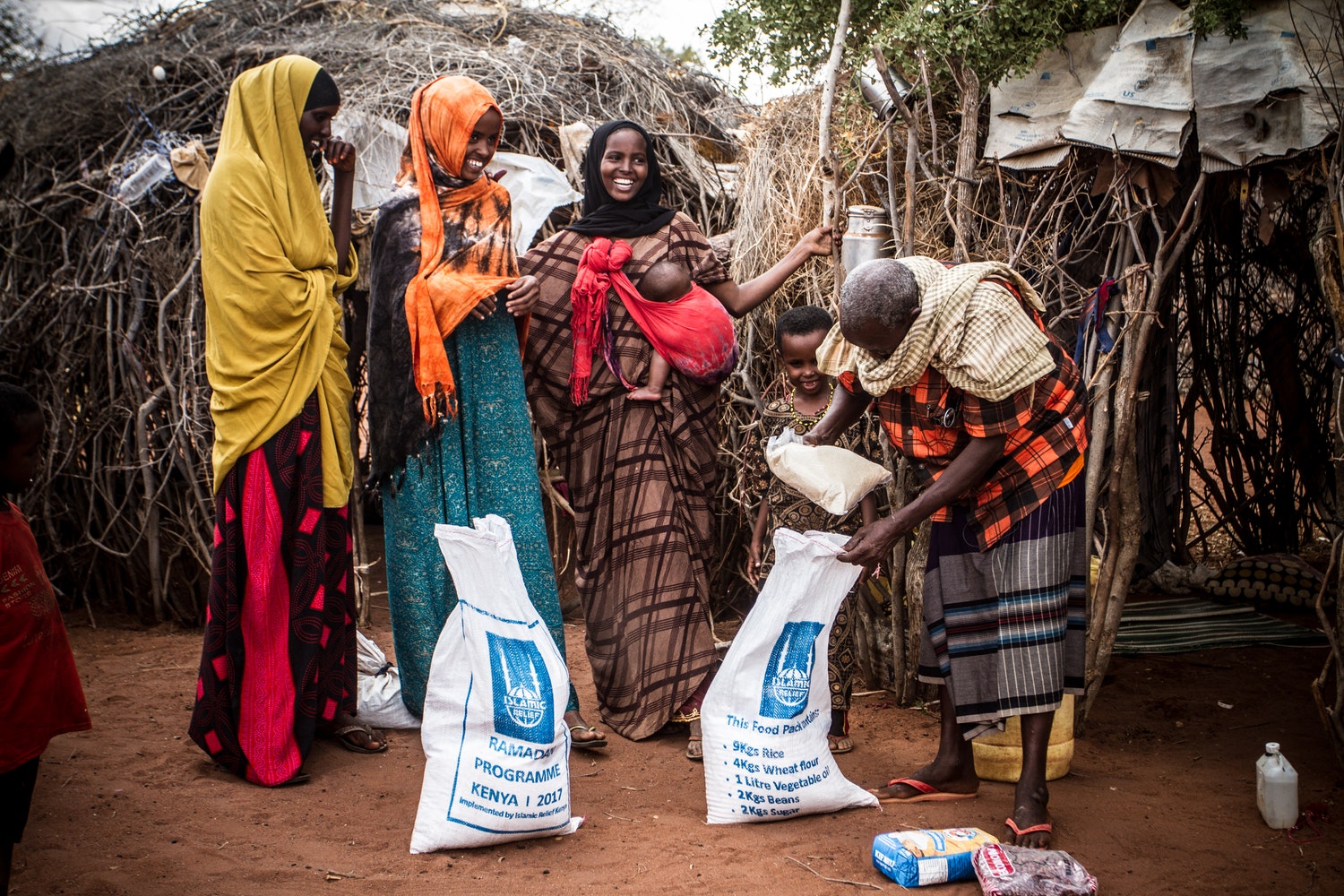
Food security is another dimension of human security that is severely impacted by HIV/AIDS. Food security can be defined as “that all people at all times have both physical and economic access to basic food. This requires not just enough food to go round. It requires that people have ready access to food (Elbe. 2006:208). Even if food is physically available, people may still starve if they don’t have any economic right or entitlement to the food due to lacking the purchasing power (Elbe. 2006:208). Frankenberger and McCaston, (in van Liere 2002:4) furthermore state that it is difficult to discuss food security independently of wider livelihood and poverty considerations. “Household livelihood security is defined as adequate and sustainable access to income and resources to meet basic needs, including access to food, potable water, health facilities, educational opportunities, housing, time for community participation and social integration” (Frankenberger and McCaston, in van Liere. 2002: 4). All or most of these are indirectly threatened by the HIV/AIDS epidemic (van Liere.2002:4)
Another dimension of Human Security, impacted by HIV/AIDS, is Personal Security. HIV/AIDS infected people face abuse and violent attacks within society due to the stigma attached to the illness (Elbe. 2006:208). The violence can in worst case scenarios lead to the premature death of HIV infected people and in some cases, even people thought to have the disease (Elbe. 2006:208). Increased domestic violence has also been noted to increase in HIV infected households (Elbe. 2006:209).
HIV/AIDS has impacted Community Security, another dimension of Human Security in a dramatic way. The Human Development Report (in, Elbe. 2006:209) defines Community Security as “threats to the groups such as family and wider social communities-to which individuals belong and on which they rely for survival. The biggest impact of HIV/AIDS on Community Security has been the incidence of AIDS orphans (Elbe. 2006:209). Up to 14 million children have thus far (2006) been orphaned by HIV/AIDS, and apart from having to fend for themselves due to lack of family support, are furthermore more vulnerable to malnutrition, illness, abuse, and sexual exploitation, including having to exchange sexual services in return for money, shelter, food and protection (Elbe. 2006:209).
However, the large number of anticipated AIDS orphans has led the United Nations Children’s Fund (UNICEF) to conclude that Africa’s age-old social safety net for such children, in the form of deep-rooted kinship systems and extended-family networks, is unable to cope with the strain of AIDS and soaring numbers of orphans in the most affected countries, and stated: “capacity and resources are stretched to breaking point, and those providing the necessary care in many cases are already impoverished, often elderly and might themselves have depended financially and physically on the support of the very son or daughter who has died” (UNICEF, in Fourie & Schönteich. 2002:13). Banning and/or displacement of PLWHA’s (People living with HIV/AIDS), from their communities, due to discrimination practices fuelled by the stigma attached to HIV/AIDS, have a detrimental impact on them, since they become isolated from their social support networks and places of employment (Elbe. 2006:209).
However, the large number of anticipated AIDS orphans has led the United Nations Children’s Fund (UNICEF) to conclude that Africa’s age-old social safety net for such children, in the form of deep-rooted kinship systems and extended-family networks, is unable to cope with the strain of AIDS and soaring numbers of orphans in the most affected countries, and stated: “capacity and resources are stretched to breaking point, and those providing the necessary care in many cases are already impoverished, often elderly and might themselves have depended financially and physically on the support of the very son or daughter who has died” (UNICEF, in Fourie & Schönteich. 2002:13). Banning and/or displacement of PLWHA’s (People living with HIV/AIDS), from their communities, due to discrimination practices fuelled by the stigma attached to HIV/AIDS, have a detrimental impact on them, since they become isolated from their social support networks and places of employment (Elbe. 2006:209).
The Political Security of countries with high HIV/AIDS infection rates is furthermore impacted, since the disease affects people indiscriminately, whether rural unskilled worker or economic urban elite. Political elites, the Police force and the military, representatives of the justice system, and government bureaucrats can all be affected at times when their skills are needed most (Elbe. 2006:209). Access to and distribution of life-prolonging medicines is an issue that can furthermore create political divisions within countries (Elbe. 2006:210).
The Health Security of countries is impacted by the HIV/AIDS pandemic. Apart from AIDS-related mortality, the wider impact is twofold: first, it increases the number of people seeking health services, overstretching medical resources, denying patients with curable diseases access to healthcare, and leading to rising medical costs; and secondly, HIV/AIDS has a negative impact on the supply of medical services, due to doctors and nurses contracting the disease, leading to absenteeism, as well as the migration of medical professionals to developed countries where they have access to medicines to save lives (Elbe. 2006:210).
High degrees of socio-economic insecurity, social exclusion, and political instability provide the breeding ground in which AIDS thrives. Individuals who are living in these conditions, such as migrant workers, displaced people, refugees and ostracised minorities worldwide, face a much higher risk of infection. (Fourie & Schönteich. 2002: 4) In the past decade, HIV/AIDS has also emerged as a major threat in emergency settings and where humanitarian operations can place both relief workers and local populations at greater risk of infection HIV (Fourie & Schönteich. 2002: 4). There is an increased likelihood of sexual violence and prostitution among refugee populations and it broadens and accelerates the spread of HIV (Fourie & Schönteich. 2002:4).
Mobile workers such as long-distance truck drivers have a higher probability of being HIV-infected than their communities of origin, as well as migrant laborers who are separated from their families for prolonged periods of time, are more prone to visit prostitutes or have multiple sexual partners, become HIV-positive, and then return to their primary sexual partners to spread the virus in those home communities (Fourie & Schönteich. 2002: 6).
Mobile workers such as long-distance truck drivers have a higher probability of being HIV-infected than their communities of origin, as well as migrant laborers who are separated from their families for prolonged periods of time, are more prone to visit prostitutes or have multiple sexual partners, become HIV-positive, and then return to their primary sexual partners to spread the virus in those home communities (Fourie & Schönteich. 2002: 6).

The impact of HIV/AIDS on agriculture and rural areas
The agricultural sector in developing third world agrarian societies is the biggest economic sector in those countries generating GDP. Most third world people live off the land in subsistence agriculture. These societies are hit the hardest with HIV/AIDS infections, due to customary and traditional practices, as well as the lack of HIV/AIDS education. As over 70 percent of the population in sub-Saharan Africa consists of farmers and other rural occupations, engaged in agriculture, impact will first be felt in the agriculture sector (van Liere. 2002:2,4) Examples from Tanzania and Zimbabwe, tell the story of reduced crop production and shifts to less labour-intensive cropping systems (van Liere. 2002:2,4). The FAO has estimated that in the 27 most affected countries in Africa, 7 million agricultural workers have died from AIDS since 1985 and 16 million more deaths are likely in the next two decades. Several studies have shown a reduction in production and shifts in farming system (van Liere. 2002:2).
There is also a severe challenge to Agricultural Extension Services, in developing nations, particularly Sub-Saharan Africa. Due to the HIV/AIDS pandemic, which has decimated farming populations and rural areas, serious challenges now also exist for agricultural extensive services, who by their mandate and character deal with small scale farmers and traditional, mostly illiterate, rural households in providing them with technical advice on agricultural technologies, and advice on farm input supply, credit, marketing and farm management (Qamar. 2003:894).
The impact of HIV/AIDS on not only the farming and rural population, but also on the agricultural extension services, its agents and officials and their families, as well as their partner institutions are listed by Qamar and are briefly: extension service staff’s heightened risk of exposure to HIV infection, due to their frequent visits to the rural areas; some are already themselves suffering from HIV; the time, money and energy burden of taking care of their own HIV infected relatives and minor children; the pressure of attending an increasing amount of funerals at a financial cost and distracting them from farming activities; low morale, depression and economic worries among extension service workers, due to the loss of colleagues, and far heavier workloads; disruption in the extension service programmes due to staff absenteeism and death; the increasing costs for extension service organizations for the treatment of sick staff and their relatives, the funerals for dead staff, recruitment and training of new staff, and buying insurance coverage; administrative, strategic, policy and operational practices of all relevant organization going obsolete, due to drastic changes in social structures, including income levels, patterns of life and types of clientele; the negative implications for other organisation who are linked to extension services such as those who provide credit, technology packages, marketing facilities, land tenure and plant protection; new clientele, such as widows and orphans, applying for rural credit, requiring new criteria for applicants to qualify, but which does not exist straining extension service officers; the changing composition of clientele for extension services, to increasingly include the elderly, widowed, the young, orphans and physically weak; the increasing need of farmers to receive HIV/AIDS education, which the extension workers are unable to provide and the worsening supply of farm labour, food insecurity and poverty due to able bodied adults being lost and households being taken over by the elderly, the weak, and orphans, with limited earning (Qamar. 2003:894-900).
The socio-economic consequences of HIV/AIDS
The socio-economic impact of HIV/AIDS is particularly rife in Africa and specifically Sub-Saharan Africa. The pandemic has given rise to the possible emergence of AIDS-related national crises as well as a higher incidence of orphan related crime. Taking a pessimistic view of current trends in Africa, such as in Zimbabwe, De Waal foresees the emergence of AIDS-related national crises (ARNCs). The HIV/AIDS pandemic may afflict the future governance, peace, and security of African countries to such an extent, that ARNC’s (Aids Related National Crisis) may occur (De Waal. 2002:190-191). Each ARNC will manifest itself as a crisis of governance, corruption, armed conflict or social conflict, appearing to be a normal crisis (De Waal. 2002:192). This pandemic-induced crises manifests itself in a range of other social, economic and political pathologies, fastening itself onto the weak points of governance or socio-political relations that already occur in a given society, for example if a country is at war, the conduct of the armed forces, is likely to be an area in which the ARNC emerges (De Waal. 2002:192).
There are sufficient early warning systems of the full-scale development of national HIV/AIDS epidemics in Africa, according to de Waal (2002:193), but the problem is that countries do not know how to respond to ARNC’s. Conventional responses by neighboring African countries and the International community to ARNC’s, such as diplomatic dialogue, negotiations, conditionalities on aid, and even sanctions, will, according to De Waal (2002:193), not work. A further problem may be the unwillingness of key decision makers, to acknowledge the AIDS-related dimension to the problem (De Waal. 2002: 193). The HIV/AIDS pandemic cannot be prevented, but the effects can be mitigated (De Waal. 2002: 194). ARNC’s, on the other hand, are preventable, by means of early warning and preparedness and targeted interventions aimed at specific areas in which HIV/AIDS interacts with governance (De Waal. 2002: 194). De Waal argues that the prospect of ARNC’s should shape the governance agenda and the HIV/AIDS programming of individual African countries (De Waal. 2002: 194-195).
The socio-economic impact of HIV/AIDS is the most dramatic and visible in the staggering rise of children being orphaned due to HIV/AIDS. Aids-related orphaning specifically impact our socio-economic stability and security, in the area of crime. Growing up without a parent or parents, and badly supervised by relatives and welfare organizations, Southern Africa’s burgeoning orphan population will be at greater than average risk to engage in criminal activity (Fourie & Schönteich. 2002: 13-14). The many orphaned African children who will grow up under extreme levels of poverty will be sorely tempted, or even obliged for the sake of their physical survival, to commit a range of property related crimes.
These crimes would include the theft of food and clothing by shoplifting and residential burglary, or the theft of other items that can be sold or traded for the necessities of life. Older orphans in their early teenage years might resort to mugging and robbery to make ends meet (Fourie & Schönteich. 2002: 13-14). A large influx of orphaned children into the urban slums surrounding many African cities will exacerbate socio-economic conditions, thereby creating a vibrant breeding ground for a variety of social ills such as crime. Moreover, the frequency of certain types of crime – such as gang-related crimes, vehicle thefts, robberies, and burglaries – is higher in cities than in rural areas, with the rate generally increasing according to city size (Fourie & Schönteich. 2002: 14).
These crimes would include the theft of food and clothing by shoplifting and residential burglary, or the theft of other items that can be sold or traded for the necessities of life. Older orphans in their early teenage years might resort to mugging and robbery to make ends meet (Fourie & Schönteich. 2002: 13-14). A large influx of orphaned children into the urban slums surrounding many African cities will exacerbate socio-economic conditions, thereby creating a vibrant breeding ground for a variety of social ills such as crime. Moreover, the frequency of certain types of crime – such as gang-related crimes, vehicle thefts, robberies, and burglaries – is higher in cities than in rural areas, with the rate generally increasing according to city size (Fourie & Schönteich. 2002: 14).
Pharoah and Weiss (2005:800-801) argues that there are three main ways in which AIDS-related orphaning may lead to higher levels of crime and instability, namely: that the death of parents leave children scarred and marginalized in ways that predispose them to delinquency and criminal behavior; secondly that growing numbers of orphans provide a ready recruitment pool for organisations that violently oppose the status quo of the existing socio-political order in African countries; and lastly, that the demographic change brought about by the pandemic, especially the fact that young adults and adolescents are now over-represented, will create additional problems such as crime. Schönteich (in, Pharoah and Weiss. 2005:801) speculates that due to the disproportionate number of young men between the ages of 15 and 24 in highly affected countries, the incidence of crime, specifically violent crime and group-based aggression, will increase.

HIV/AIDS in South-Africa
HIV/AIDS has left a huge scar in the economic and social security of South Africa. South Africa has the highest number of people infected globally, estimated at around 5.3 million, including 220 000 children under the age of 15 years, in 2008 (UNAIDS 2009, in www.aids.org.za). South Africa ranks in the top five highest HIV prevalence countries in the world, with 17.5% of the population estimated to be infected (www.aids.org.za). The UNAIDS 2009 Global Report Epidemic Update estimated that in 2008, 310 000 people died from AIDS in South Africa (www.aids.org.za). South Africa is regarded as having the most severe HIV epidemic in the world (www.aids.org.za). It is estimated that by 2010, the South-African economy will be 22 percent smaller than it would have been without HIV/AIDS, amounting to a cost of US$ 17 billion (De Waal. 2002:191).
The policy and human rights response of South-Africa has been exemplary. The South African Human Rights Commission was the first national human rights body in the world to publicly endorse and adopt the International Guidelines on HIV/AIDS and Human Rights. Further, the Commission addressed HIV/AIDS as a human rights issue at its first national conference. One of the outcomes of the conference was a resolution stating that discrimination against PLWHA violated the South African constitution, which was made possible due to efforts by the AIDS Law Project/AIDS Legal Network, South Africa that held the government accountable for upholding its political commitment in implementing the Guidelines. (Program on International Health and Human Rights et al. 2004:9)

HIV/AIDS prevalence among women
Women make up the majority of those infected with HIV. Kristofferson (2000:597) argues that the economic, food, health, personal and political security of women, in particular, are at greater risk than those of men due to their physical, emotional and material differences and due to the existing social, economic and political inequalities between men and women. The vulnerability of women and the spread of HIV/AIDS among women are exacerbated by conflict and emergency situations and according to Kristofferson (2000:598) are the following factors enhancing the spread of HIV infections in emergency situations, namely: 1. Sexual violence, where rape is used as a weapon of war and women considered as bounty; 2. The breakdown in social structure and legal protection, leading to transitory sexual relationships involving a great many partners, and young people getting involved with sex and marriage at an early stage, due to the absence of leisure, education and employment opportunities; 3. The lack of Health infrastructure, limiting the access to condoms, preventing the treatment of STD’s, preventing the availability of mother-to-child transmission drugs, limiting the availability of trained medical staff, and excluding privacy and confidentiality as well as proper care and support for HIV infected people; 4. Women’s desire to meet their basic needs and create economic opportunities, accomplished through exchanging sex for food, shelter, resources, money, and protection; 5. The lack of education and skills training for women, increasing their dependency to get involved in risk behavior; and 6. The presence of military and peacekeeping forces with high rates of HIV infections, and who abuse their power to get what they want from refugees, women, and children.

HIV/AIDS and Human Rights
HIV/AIDS is a key concern in Human Rights and increasingly international law, obliging national laws and constitutions are being passed to ensure non-discrimination and legal rights for those infected with HIV. The first global AIDS strategy, developed in 1987, made it clear that Human rights are fundamental to any response to HIV/AIDS. Human Rights are “universal legal guarantees protecting individuals and groups against actions that interfere with fundamental freedoms and human dignity.”
The promotion and protection of human rights empower individuals and communities to respond to HIV/AIDS, to reduce vulnerability to HIV infection and to lessen the adverse impact of HIV/AIDS on those affected. (Program on International Health and Human Rights et al. 2004:1). According to Resolution 49/1999 of the UN Commission on Human Rights is “Discrimination on the basis of HIV or AIDS status, actual or presumed, prohibited by existing international human rights standards…” (in UNDP-KSA. 2002:4). Another resolution, passed in April 2004, by the Commission on Human Rights recognizes that access to HIV treatment is fundamental to progressively achieving the right to health and calls on governments and international bodies to take specific steps to enable such access (Program on International Health and Human Rights et al. 2004:4)
The promotion and protection of human rights empower individuals and communities to respond to HIV/AIDS, to reduce vulnerability to HIV infection and to lessen the adverse impact of HIV/AIDS on those affected. (Program on International Health and Human Rights et al. 2004:1). According to Resolution 49/1999 of the UN Commission on Human Rights is “Discrimination on the basis of HIV or AIDS status, actual or presumed, prohibited by existing international human rights standards…” (in UNDP-KSA. 2002:4). Another resolution, passed in April 2004, by the Commission on Human Rights recognizes that access to HIV treatment is fundamental to progressively achieving the right to health and calls on governments and international bodies to take specific steps to enable such access (Program on International Health and Human Rights et al. 2004:4)

Conclusion
The HIV/AIDS pandemic is ripping away at our social, economic, political and personal security, greatly affecting not only our individual ‘human security’, but also the socio-political stability of countries, as the disease eats away our skills bases, our social networks, our national incomes, and our political stability. The HIV/AIDS pandemic is the first health issue not only to pose great human security risks, but also national security risks. It adversely affects all dimensions of human security, namely economic security, food security, personal security, community security, political security, and health security. The disease has severe impacts on agrarian based developing countries where agriculture is the main source of GDP and subsistence income for the majority of the populations and where lack of proper HIV/AIDS education, leads to fatal decreases in agricultural output. Aids-related national crises in African countries may occur, but are preventable, by means of early warning and preparedness and targeted interventions aimed at specific areas in which HIV/AIDS interacts with governance.
The socio-economic impact of HIV/AIDS is no more visible than the incidence of AIDS orphan related crime. The economic, food, health, personal and political security of women, in particular, are at greater risk than those of men due to their physical, emotional and material differences and due to the existing social, economic and political inequalities between men and women.
South-Africa is the worst affected country in the world, but its HIV/AIDS-related human rights policies and laws, lessen the socio-economic impact on PLWHA’s, and ensure human security. The HIV/AIDS pandemic is growing worse, affecting the human security of millions of people worldwide especially Sub-Saharan Africa. I conclude with a quote from Fourie & Schönteich (2002: 17), “We are dying. Our economy is under threat. The enemy is attacking the elite in our society, but also the children, the elderly and the infirm. Using the urge at the core of what makes us human – the will to reproduce – it has already infiltrated our schools, houses, mines, governments, and churches. The threat to Southern Africa’s human security is such that those of us who are not infected, dying and dead are certainly equally affected by the disease. This state of affairs is partly the result of our historical legacy of poverty, creating a confluence of time and space that makes this continent the Armageddon of HIV/AIDS. And we are losing. Yet we are in denial. The Political Science community ignores the issue, and our governments ponder the causal link between HIV and AIDS whilst the latter is already affecting our food security, our livelihoods, and our sense of community.”

Bibliography
1. Aids Foundation South Africa .2005. HIV Prevalence in South-Africa. Available at:
http://www.aids.org.za/hiv.htm (accessed on 7/8/2010)
2. Chen, L.C, 2004. Health as human security priority for the 21st century, in Human Security and Development: a reader, compiled by L Cornwell. Pretoria: University of South-Africa.
3. De Waal, A. 2002. ‘AIDS-related national crises’ in Africa, in Human Security and Development: a reader, compiled by L Cornwell. Pretoria: University of South-Africa.
4. Elbe, S. 2006. HIV/AIDS: A human security challenge for the 21st century, in Human Security and Development: a reader, compiled by L Cornwell. Pretoria: University of South-Africa.
5. Fourie, P, Schönteich, M. 2002. DIE, THE BELOVED COUNTRIES: HUMAN SECURITY AND HIV/AIDS IN AFRICA. Available at: http://www.sarpn.org.za/documents/d0000177/P170_Security_HIVAIDS.pdf (accessed on 2/8/2010)
6. Kristofferson, U. 2000. HIV/AIDS as a human security issue: a gender perspective, in Human Security and Development: a reader, compiled by L Cornwell. Pretoria: University of South-Africa.
7. Pharoah, R & Weiss, T. 2005. AIDS, orphans, crime and instability. Exploring the linkages, in Human Security and Development: a reader, compiled by L Cornwell. Pretoria: University of South-Africa.
8. Qamar, M.K, 2003. Facing the challenge of an HIV/AIDS epidemic: agricultural extension services in sub-Saharan Africa, in Human Security and Development: a reader, compiled by L Cornwell. Pretoria: University of South-Africa.
9. Van Liere, M. 2002. HIV/AIDS and Food Security in Sub-Saharan Africa. Presentation at the 7th Annual ECOWAS Nutrition Forum. Available at: http://www.phishare.org/files/3027_AIDS_Food_Security_Paper_ECOWAS.pdf (accessed on 2/8/2010)
10. UNAIDS. 2003. HIV/AIDS AND SECURITY. Available at: http://data.unaids.org/Topics/Security/fs_security_en.pdf (accessed on 2/8/2010)
10. UNAIDS. 2003. HIV/AIDS AND SECURITY. Available at: http://data.unaids.org/Topics/Security/fs_security_en.pdf (accessed on 2/8/2010)
- Soli Deo Gloria -